Tiếng Việt
 English
 français
 Deutsch
 русский
 español
 português
 العربية
 Polski
Lưới thép giãn nở hình thoi được làm từ tấm thép cacbon thấp chất lượng cao thông qua quá trình đục lỗ và kéo giãn để tạo thành lưới thép giãn nở. Màu sắc có sẵn:

Industrial battery chargers balance charging efficiency and battery lifespan through controlled charging processes, stable output performance, reliable protection functions, and proper system design. By managing charging current, voltage, temperature, and battery communication, industrial chargers can provide efficient charging while reducing risks such as overcharging, insufficient charging, and excessive temperature rise.
Industrial battery chargers are widely used in power systems, rail transportation, mining, communication, marine applications, energy storage, and large production equipment.
Their main function is to convert AC power into stable and controllable DC power for charging battery systems or directly supplying DC loads.
Compared with ordinary chargers, industrial battery chargers focus more on:
Industrial chargers need to achieve efficient charging while avoiding battery issues caused by overcharging, insufficient charging, and excessive temperature rise.
Different battery types require different charging voltage, current, and cutoff conditions.
For common lead-acid batteries, industrial chargers usually use multiple charging stages:
|
Charging Stage |
Function |
|
Constant Current |
Improves charging efficiency when battery capacity is low |
|
Constant Voltage |
Gradually reduces charging current when voltage approaches the set value |
|
Equalization Charging |
Optimizes charging conditions |
|
Floating Charging |
Uses a small current to compensate for self-discharge |
For lithium battery systems, industrial chargers need to communicate with the BMS and adjust output according to:
Industrial applications often require DC output ranging from tens of amperes to hundreds of amperes.
During high-current operation, reliability can be affected by:
Industrial charger design needs to consider:
Insufficient cooling may lead to current limitation, over-temperature protection, or component aging during long-term operation.
Output quality is an important factor in evaluating industrial battery chargers.
Important indicators include:
Excessive ripple may cause:
For systems directly supplying DC loads, dynamic response should also be considered.
For multi-module parallel systems, current sharing performance should also be verified to prevent individual modules from carrying excessive current.
A complete industrial battery charger should include:
Protection actions should be reliable while avoiding unnecessary shutdown.
Industrial chargers should provide:
Supported communication methods include:
These functions enable:
Before selecting an industrial charger, users should confirm:
During acceptance testing, the charger should be evaluated under:
Key testing items include:
For long-term continuous operation projects, additional testing can include:
Industrial battery chargers convert AC power into stable and controllable DC power for battery charging or direct DC load supply in industrial applications.
Multi-stage charging helps control charging voltage and current at different stages, improving efficiency while protecting battery lifespan.
Industrial chargers reduce the impact of overcharging, insufficient charging, and excessive temperature rise through controlled charging processes.
High-current operation requires reliable system design, thermal management, and continuous load capability to ensure long-term operation.
Selection should consider battery type, voltage, capacity, charging current, AC input conditions, environmental conditions, and communication requirements.
A Global Leading Manufacturer of Customized AC/DC Power Solutions
20+ Years of Battery Manufacturing Experience
10+ years System Integration Experience
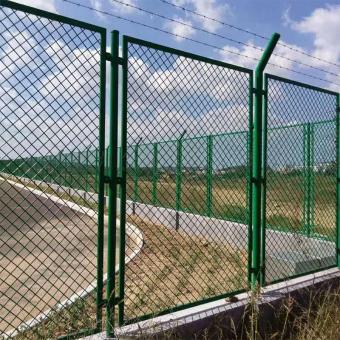
Lưới thép giãn nở hình thoi được làm từ tấm thép cacbon thấp chất lượng cao thông qua quá trình đục lỗ và kéo giãn để tạo thành lưới thép giãn nở. Màu sắc có sẵn:
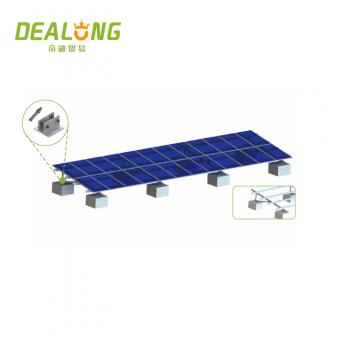
Giá đỡ tấm pin mặt trời trên mặt đất được lắp ráp sẵn tại nhà máy để tiết kiệm thời gian và chi phí lắp đặt của bạn
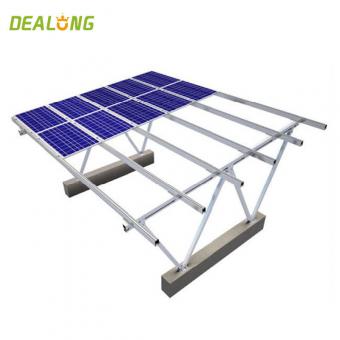
1.Mã số: AL-20201110-01 2. Tên sản phẩm: Hệ thống lắp đặt nhà để xe năng lượng mặt trời 3. Chất liệu: nhôm & thép không gỉ 4. Tốc độ gió tối đa: 60m/s 5. Tải trọng tuyết: lên đến 1,4kn/m2 6. Góc lắp đặt: 10°~60° 7. Chống ăn mòn: anot hóa 8. MOQ: 10000 Watt 9. Mục thanh toán: ngân hàng T/T, paypal, western union 10. Thời gian giao hàng: 10-15 ngày sau khi thanh toán
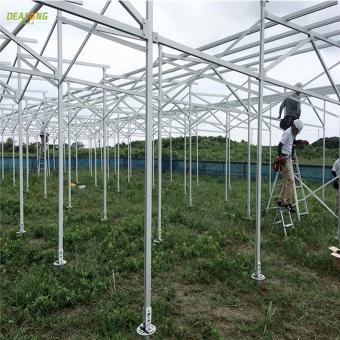
Dễ dàng lắp đặt và không cần cắt hay hàncần thiết tại địa điểm lắp đặt,tiết kiệm thời gian và chi phí của bạn
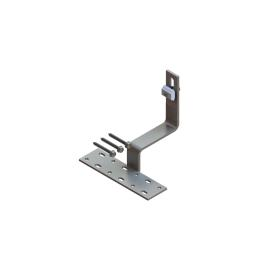
1. Tên sản phẩm: Lắp đặt tấm pin mặt trời trên mái nhà 2. Chất liệu: Thép không gỉ 304 3. Tấm: L140*W33*T4mm 4. Trọng lượng: 0,56kg 5. Bề mặt: Phun cát 6. Loại: Có thể điều chỉnh 7. Linh kiện: Móc+Bu lông+Đai ốc 8. MOQ: 1000 chiếc 9. Mục thanh toán: ngân hàng T/T, paypal, western union 10. Thời gian giao hàng: 10-15 ngày sau khi thanh toán

1.Mã số: AL-20201110-07 2. Tên sản phẩm: Cọc vít xoắn móng mạ kẽm nhúng nóng 3. Chất liệu: Thép Q235B, Q195 4. Xử lý bề mặt: Mạ kẽm nhúng nóng 5. Ứng dụng: Hệ thống lắp đặt năng lượng mặt trời, hàng rào, nhà gỗ 6. Chứng chỉ: ISO9001, ISO1461-1999 7. Năng lực sản xuất: 1.000.000 sản phẩm/tháng 8. Thời gian thực hiện: 10-15 ngày. 9. MOQ: 100 chiếc
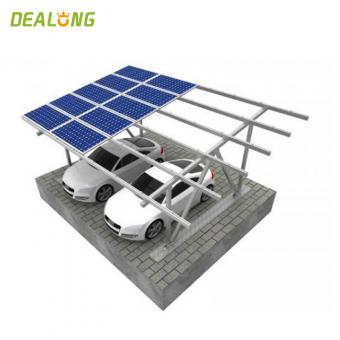
1.Mã số: AL-20201111-01 2. Tên sản phẩm: Kết cấu nhà để xe lắp ghép 3. Chất liệu: nhôm & thép không gỉ 4. Tốc độ gió tối đa: 60m/s 5. Tải trọng tuyết: lên đến 1,4kn/m2 6. Góc lắp đặt: 10°~60° 7. Chống ăn mòn: anot hóa 8. MOQ: 10000 Watt 9. Mục thanh toán: ngân hàng T/T, paypal, western union 10. Thời gian giao hàng: 10-15 ngày sau khi thanh toán
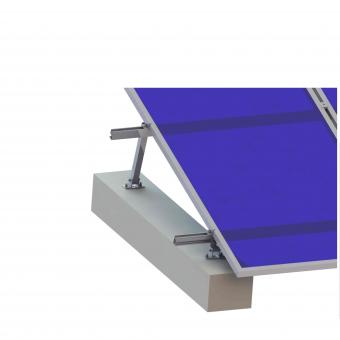
Góc nghiêng làcó thể điều chỉnh để tối ưu hóa sản lượng điện mặt trời.

 Mạng IPv6 được hỗ trợ