Tiếng Việt
 English
 français
 Deutsch
 русский
 español
 português
 العربية
 Polski
Lưới thép giãn nở hình thoi được làm từ tấm thép cacbon thấp chất lượng cao thông qua quá trình đục lỗ và kéo giãn để tạo thành lưới thép giãn nở. Màu sắc có sẵn:

Quick Answer
A base station power system ensures continuous communication service by converting AC power into stable DC power, managing battery backup, controlling power distribution, and providing remote monitoring. When utility power fails, the system keeps wireless equipment, transmission equipment, and monitoring systems running through reliable backup power.
Key Takeaways
Mobile communication base stations, transmission rooms, and edge rooms usually need to operate continuously throughout the year.
However, communication services may be affected by:
The role of a base station power system is to convert AC power into stable DC power and manage battery backup. When utility power is abnormal, the system ensures that wireless equipment, transmission equipment, and monitoring equipment continue operating.
The commonly used telecom DC bus voltage is -48V, which is suitable for communication equipment and supports battery backup through parallel battery configurations.
A complete base station power system usually includes the following components:
Provides power input switching, surge protection, and branch protection.
Converts AC power into stable DC power.
Distributes DC power according to different load requirements.
Collects voltage, current, temperature, module, and battery information.
Provides backup power during utility power failures.
Some sites may also integrate diesel generators, solar systems, or energy storage systems to improve power reliability.
Communication base stations operate continuously, so rectifier efficiency directly affects energy consumption and equipment heat generation.
High-efficiency rectifier modules can reduce power losses and improve system efficiency.
To ensure reliability, rectifier modules should be configured according to load requirements and battery charging needs. A common design is N+1 redundancy.
With N+1 redundancy:
Multiple parallel rectifier modules should also have good current sharing performance to prevent individual modules from long-term overload.
Battery backup time depends on:
During long-term operation, batteries may experience:
The monitoring system should detect:
For lithium battery systems, the BMS should provide information including:
This helps prevent system limitations or shutdown caused by communication interruption or parameter mismatch.
When utility power is unavailable for a long time and battery voltage continues to decrease, the base station power system can perform load shedding according to load priority.
The system can first disconnect:
Meanwhile, it continues supplying:
This strategy helps extend the operating time of critical communication services.
Load shedding thresholds and recovery conditions should be configured according to battery characteristics to avoid affecting services too early or damaging batteries through deep discharge.
Base stations are widely distributed, and many sites operate without on-site personnel.
A remote monitoring system should support data collection of:
Through historical data analysis, operators can identify:
When an alarm occurs, the system should clearly provide the site, equipment, and fault information to reduce troubleshooting time.
A base station power system is more than a power supply device. It also provides energy conversion, backup protection, load management, and remote maintenance functions.
A reliable system should include:
Only when the power system remains stable can communication networks continue operating under complex power conditions.
Because power interruptions caused by utility failures, lightning, construction, or poor power quality can affect communication equipment operation. Backup power helps maintain continuous service.
The commonly used telecom DC bus voltage is -48V, which is suitable for communication equipment and battery backup systems.
A complete system usually includes AC distribution, rectifier modules, DC distribution, monitoring units, and battery banks.
N+1 redundancy allows the system to continue supporting the current load even if one rectifier module fails.
Remote monitoring helps operators identify equipment status, battery conditions, and alarms remotely, reducing maintenance time and improving operation efficiency.
A Global Leading Manufacturer of Customized AC/DC Power Solutions
20+ Years of Battery Manufacturing Experience
10+ years System Integration Experience
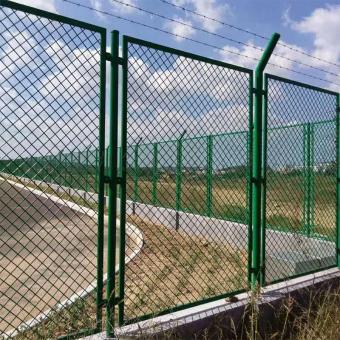
Lưới thép giãn nở hình thoi được làm từ tấm thép cacbon thấp chất lượng cao thông qua quá trình đục lỗ và kéo giãn để tạo thành lưới thép giãn nở. Màu sắc có sẵn:
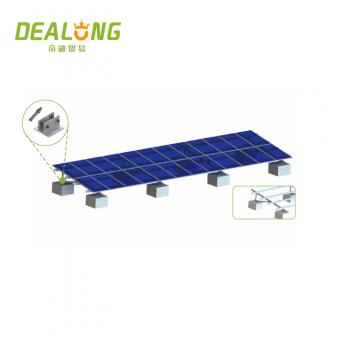
Giá đỡ tấm pin mặt trời trên mặt đất được lắp ráp sẵn tại nhà máy để tiết kiệm thời gian và chi phí lắp đặt của bạn
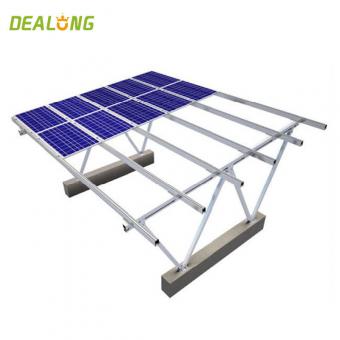
1.Mã số: AL-20201110-01 2. Tên sản phẩm: Hệ thống lắp đặt nhà để xe năng lượng mặt trời 3. Chất liệu: nhôm & thép không gỉ 4. Tốc độ gió tối đa: 60m/s 5. Tải trọng tuyết: lên đến 1,4kn/m2 6. Góc lắp đặt: 10°~60° 7. Chống ăn mòn: anot hóa 8. MOQ: 10000 Watt 9. Mục thanh toán: ngân hàng T/T, paypal, western union 10. Thời gian giao hàng: 10-15 ngày sau khi thanh toán
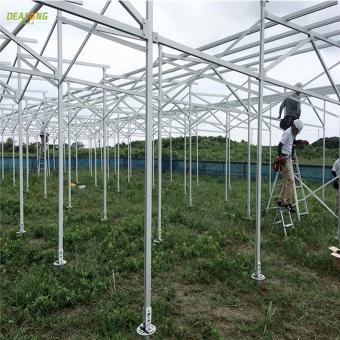
Dễ dàng lắp đặt và không cần cắt hay hàncần thiết tại địa điểm lắp đặt,tiết kiệm thời gian và chi phí của bạn
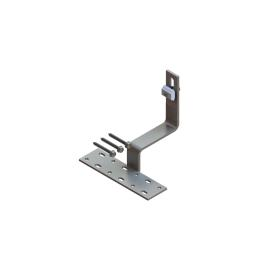
1. Tên sản phẩm: Lắp đặt tấm pin mặt trời trên mái nhà 2. Chất liệu: Thép không gỉ 304 3. Tấm: L140*W33*T4mm 4. Trọng lượng: 0,56kg 5. Bề mặt: Phun cát 6. Loại: Có thể điều chỉnh 7. Linh kiện: Móc+Bu lông+Đai ốc 8. MOQ: 1000 chiếc 9. Mục thanh toán: ngân hàng T/T, paypal, western union 10. Thời gian giao hàng: 10-15 ngày sau khi thanh toán

1.Mã số: AL-20201110-07 2. Tên sản phẩm: Cọc vít xoắn móng mạ kẽm nhúng nóng 3. Chất liệu: Thép Q235B, Q195 4. Xử lý bề mặt: Mạ kẽm nhúng nóng 5. Ứng dụng: Hệ thống lắp đặt năng lượng mặt trời, hàng rào, nhà gỗ 6. Chứng chỉ: ISO9001, ISO1461-1999 7. Năng lực sản xuất: 1.000.000 sản phẩm/tháng 8. Thời gian thực hiện: 10-15 ngày. 9. MOQ: 100 chiếc
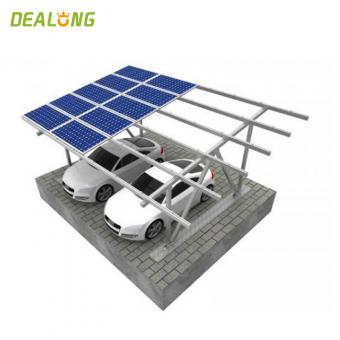
1.Mã số: AL-20201111-01 2. Tên sản phẩm: Kết cấu nhà để xe lắp ghép 3. Chất liệu: nhôm & thép không gỉ 4. Tốc độ gió tối đa: 60m/s 5. Tải trọng tuyết: lên đến 1,4kn/m2 6. Góc lắp đặt: 10°~60° 7. Chống ăn mòn: anot hóa 8. MOQ: 10000 Watt 9. Mục thanh toán: ngân hàng T/T, paypal, western union 10. Thời gian giao hàng: 10-15 ngày sau khi thanh toán
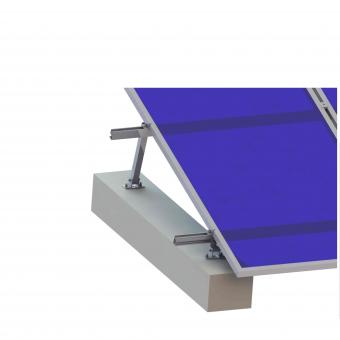
Góc nghiêng làcó thể điều chỉnh để tối ưu hóa sản lượng điện mặt trời.

 Mạng IPv6 được hỗ trợ